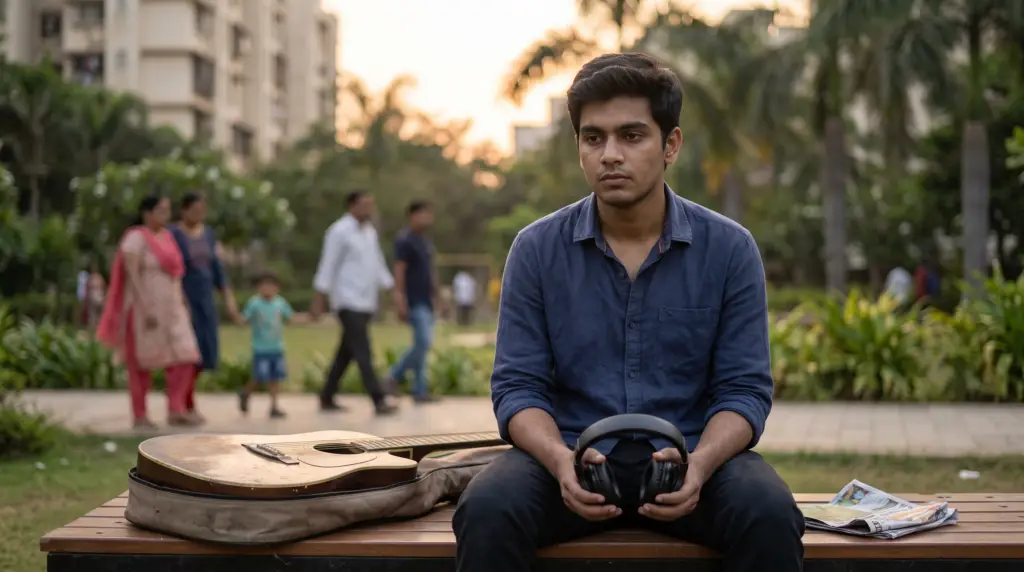
Understanding Anhedonia can help explain why activities, hobbies, or experiences you once enjoyed may no longer feel rewarding. A persistent Loss of Interest or Loss of Pleasure can be among the Anhedonia Symptoms associated with depression and other mental health concerns. Recognising these Mental Health Changes may help individuals understand when professional support should be considered.
Losing interest in things you once enjoyed can feel confusing. You may stop enjoying music, hobbies, social activities, or even time with people you care about. Although you want to feel excited, the same sense of pleasure may no longer appear.
This loss of interest or pleasure is known as anhedonia. It can affect emotional well-being and may sometimes be linked to underlying mental health concerns.
As a practicing psychiatrist in Bhubaneswar, I, Dr. Soumya Dash, often meet individuals who say, “I don’t enjoy anything anymore.” In this blog, you will learn what anhedonia is, why it happens, and when professional support may help.
🧠 What Is Anhedonia?
Anhedonia is a reduced ability to experience pleasure or enjoyment from activities that previously felt rewarding.
For example, you may once have enjoyed watching movies, meeting friends, or listening to music. However, these activities may suddenly feel dull or emotionally empty.
Common examples include:
- Losing interest in hobbies
- Avoiding social activities
- Feeling less excited about good news
- Not enjoying food or entertainment as before
- Feeling emotionally disconnected
- Losing motivation to do enjoyable activities
In simple terms, the activity may remain the same, but your emotional response to it may feel different.
🔍 What Are the Types of Anhedonia?
Anhedonia can affect different areas of life.
Two commonly discussed forms include:
Social Anhedonia
This involves reduced interest or pleasure in social interaction.
You may:
- Avoid meeting friends
- Prefer staying alone
- Feel disconnected during conversations
- Lose interest in relationships
Physical Anhedonia
This refers to reduced pleasure from physical or sensory experiences.
For example, you may enjoy food, touch, music, or other pleasant experiences less than before.
However, each person’s experience can be different.
⚠️ Why Do You Suddenly Lose Interest in Things?
There may be several reasons why enjoyable activities stop feeling rewarding.
Common factors include:
- Depression
- Chronic stress
- Emotional exhaustion
- Anxiety
- Trauma-related difficulties
- Burnout
- Sleep problems
- Certain mental health conditions
Sometimes, several factors may occur together.
Therefore, understanding the underlying cause is important before assuming that you are simply “lazy” or “unmotivated.”
🧩 How Does the Brain Experience Pleasure?
The brain uses several connected systems to process motivation, reward, and pleasure.
When you expect or experience something enjoyable, brain networks linked to reward and motivation become active.
However, stress and certain mental health conditions may affect how these systems respond.
As a result, you may understand that an activity should be enjoyable but still struggle to feel pleasure from it.
This emotional gap can be frustrating and difficult to explain to others.
😟 Anhedonia and Depression
Anhedonia is commonly associated with depression.
While sadness is a well-known symptom of depression, not everyone with depression feels constantly sad.
Instead, some people mainly notice:
- Loss of interest
- Reduced motivation
- Emotional emptiness
- Low energy
- Social withdrawal
- Difficulty feeling pleasure
Therefore, a person may say, “I don’t feel sad. I just don’t feel anything exciting anymore.”
Persistent loss of interest should not be ignored, especially when it affects daily life.
🔄 Can Stress Cause Loss of Interest?
Yes, prolonged stress may reduce your interest in enjoyable activities.
When your mind remains focused on problems, deadlines, or responsibilities, emotional energy can become limited.
As a result, you may stop doing activities that once helped you relax.
You may think:
- “I don’t have the energy.”
- “Nothing feels interesting.”
- “I don’t feel like meeting anyone.”
- “Maybe I will do it later.”
Over time, avoiding enjoyable activities may further reduce opportunities for positive experiences.
😴 Emotional Exhaustion and Anhedonia
Emotional exhaustion can make life feel emotionally flat.
You may continue completing daily responsibilities. However, you may feel disconnected from your activities.
For example, you may:
- Go to work without interest
- Attend social events without enjoyment
- Watch movies without feeling engaged
- Spend time with others but feel distant
Therefore, emotional exhaustion may sometimes appear as a loss of interest rather than obvious stress.
🛑 Signs Anhedonia May Be Affecting Your Life
Occasional boredom is normal. However, persistent loss of pleasure may need attention.
Possible warning signs include:
- Hobbies no longer feel enjoyable
- You avoid social interaction
- Positive events feel emotionally flat
- You struggle to feel excitement
- Motivation has reduced significantly
- You feel emotionally disconnected
- Daily activities feel meaningless
- The problem continues for several weeks
Recognizing these changes early can help you seek appropriate support.
🌿 How Can You Manage Loss of Interest?
Recovering interest may take time. Therefore, avoid putting pressure on yourself to feel excited immediately.
Instead, try small and practical steps:
- Maintain a regular daily routine
- Continue simple enjoyable activities
- Spend time outdoors
- Stay connected with supportive people
- Improve your sleep routine
- Include gentle physical activity
- Reduce prolonged isolation
- Track changes in your mood
Most importantly, start with small activities.
You may not feel motivated before starting. However, regular engagement can sometimes help rebuild positive experiences gradually.
🎯 Try Behavioral Activation
Behavioral activation is a therapeutic approach often used to help people reconnect with meaningful activities.
The idea is simple. Instead of waiting for motivation, you gradually schedule and complete manageable activities.
For example:
- Take a short walk
- Listen to one favourite song
- Call a trusted friend
- Spend ten minutes on a hobby
- Complete one small personal task
Over time, these actions may help create more opportunities for positive emotions.
🩺 Professional Support Can Help
If loss of interest continues or affects your daily life, professional guidance can help identify the underlying cause.
At my clinic in Bhubaneswar, support may include:
Mental Health Assessment
- Understand changes in mood and interest
- Identify possible underlying mental health concerns
Counseling and Guidance
- Explore emotional and lifestyle factors
- Develop healthier coping strategies
Cognitive Behavioral Therapy (CBT)
- Identify unhelpful thinking patterns
- Build healthier thoughts and behaviors
Treatment Planning
- Create an individual mental health care plan
- Consider appropriate therapy or medical treatment when clinically needed
Each approach is tailored to your individual symptoms and mental health needs.
👨⚕️ When Should You Seek Help?
You should consider professional support if:
- You have lost interest in most activities
- The feeling continues for several weeks
- You feel emotionally empty or disconnected
- Your sleep or appetite has changed
- You avoid friends and family
- Work or studies are being affected
- You experience persistent low mood
- Self-help strategies are not working
If loss of interest is accompanied by thoughts of self-harm or suicide, seek urgent professional or emergency support immediately.
Early assessment can help identify the cause and guide appropriate treatment.
🌈 Final Thoughts
Losing interest in things you once enjoyed can be more than simple boredom.
In some cases, it may be linked to anhedonia, emotional exhaustion, prolonged stress, or depression.
Therefore, pay attention to how long the feeling lasts and how it affects your daily life.
Pleasure and motivation may not return instantly. However, with the right support, healthy routines, and appropriate treatment when needed, emotional well-being can improve gradually.
📞 Get Expert Mental Health Support in Bhubaneswar
If loss of interest, emotional emptiness, or reduced motivation is affecting your daily life, professional support can help identify the underlying cause.
Consult Dr. Soumya Dash for safe and effective mental health care.
📱 Phone: +91 9568830001
📧 Email: care@remindcentre.com
Clinic Address:
N1, 270, CRP – DAV Rd,
Block Number 4, Block N1,
IRC Village, Nayapalli,
Bhubaneswar, Odisha – 751015
Take a step toward better emotional well-being and a more meaningful daily life today.
