Top 5 most common mental disorders
A mental disorder is an illness that affects your whole life, thinking, feeling, mood, and behavior. It may be occasional or chronic. Mental disorders may be of different types like depression, eating disorder, personality disorder, post-traumatic stress disorder, anxiety disorder, and psychotic disorder. However, staying happy is the best way to cure any disease.
Wanna know about some common mental disorders? Below you will find a detailed overview of the most common mental illness.
Depression
Nowadays hundreds of millions of people get impacted by depression. It is a mental disorder that mostly affects women as compared to men. As the psychiatrist says, about 16.6% of the adult population goes through depression at some point in their life.
It can be seen by loss of interest or pleasure, feeling of guilt, eating pattern changes, difficulty falling asleep, general sadness, lack of concentration, and exhaustion. To cure the effect of depression in some cases psychotherapy, cognitive behavior therapy, and antidepressant medication will be helpful.

Anxiety
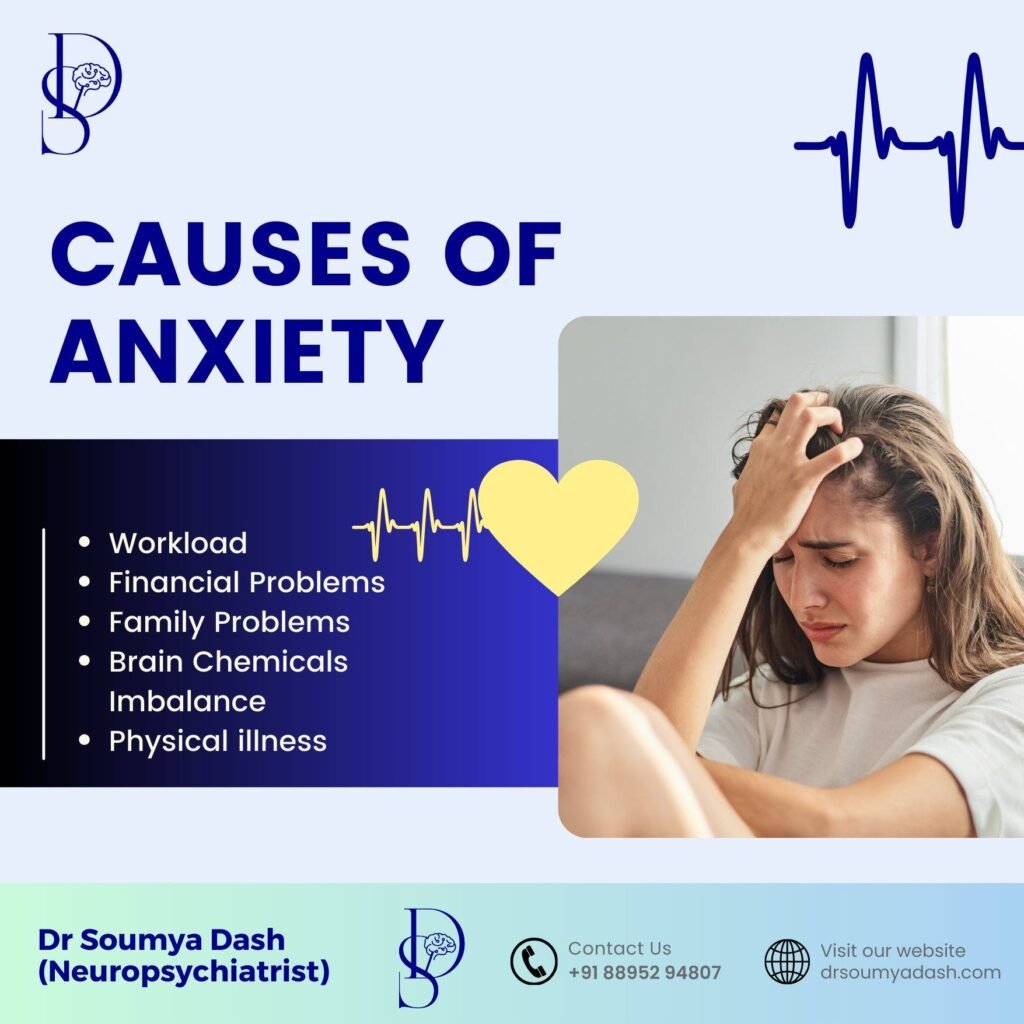
In the mental disorder categories, anxiety is the most common mental disorder. About 40 million adults aged 18 and older are going through anxiety. It is a blanket term that includes a host of specific disorders which include.
- Obsessed completive disorder (OCD)
- Social anxiety disorder
- Post-traumatic stress disorder (PTSD)
- Panic disorder
- Generalized anxiety disorder (GAD)
Physiotherapy at home and medication will help to overcome the symptoms of anxiety. About 36.9 percent of people can seek out treatment and ultimately access it.
Dementia
Dementia has an impact on about 50 million people. It is generally chronic or progression in nature and entails deterioration of cognitive function beyond normal aging. Dementia slowly destroys memory and thinking skills and eventually strips the ability to carry out the simplest tasks.
A person which is suffering from dementia may experience a decline in their cognitive abilities. Other types of dementia are:
- Huntington’s disease
- Parkinson’s disease
- Wernicke korsakoff syndrome
- Frontotemporal dementia

Mood disorder
It is normal to have a mood swing from time to time but people who suffer from mood disorders get more persistent and disrupt their daily lives. In this disorder, people may suffer the feeling of hopelessness, anxiety, empty mood, ongoing sadness, excessive guilt, and low self-esteem. Antidepressants and self-care will help to treat mood disorders. The most common type of mood disorders are:
- Bipolar disorder
- Substance-induced mood disorder
- Major depression
- Dysthymia
Eating disorder
An eating disorder is a serious condition that relates to your emotion, your ability to function in important areas of life, and persistent eating behavior that negatively impacts your health.
The wrong signs of an eating disorder are preoccupation with body image, changes in exercise patterns, mood fluctuation, alteration in weight, and many more. The common eating disorder is as follows:
- Bulimia nervosa
- Anorexia nervosa
- Binge-eating disorder
Counselling, proper diet, meditation, and a normal amount of exercise is the treatment for eating disorders. The occurrence of an eating disorder is not clear.