
A Day in the Life of a Psychiatrist

Mental health is one of the most important yet often misunderstood aspects of healthcare. Psychiatrists play a crucial role in diagnosing, treating, and supporting patients with mental health conditions. But what does a typical day look like for a psychiatrist? Let’s walk through it. Morning: Starting with Patient Consultations A psychiatrist’s day usually begins with scheduled outpatient appointments. These may include: During these sessions, psychiatrists listen carefully, ask targeted questions, and gather a complete picture of the patient’s mental, emotional, and physical health. Midday: Hospital Rounds or Case Reviews For psychiatrists who also consult in hospitals, midday might involve inpatient visits. These patients may need close monitoring due to severe mental illness, suicidal thoughts, or psychotic symptoms. Other psychiatrists use this time for: Afternoon: Therapy Sessions & Specialized Care Many psychiatrists provide therapy sessions alongside medication management. Some popular approaches include: They may also manage specialized cases, such as OCD, bipolar disorder, schizophrenia, or substance use disorders. Evening: Research, Documentation & Continuous Learning After patient interactions, a psychiatrist spends time on: Beyond the Clinic: Advocates for Mental Health Psychiatrists often engage in community outreach by conducting awareness talks, writing articles, or participating in campaigns to reduce stigma around mental illness. The Rewarding Side of Psychiatry While emotionally demanding, psychiatry is also deeply fulfilling. Helping someone regain control of their life, find hope, or heal from trauma is an experience that makes the profession worthwhile.
7 Powerful Facts About OCD Beyond Cleanliness You Should Know
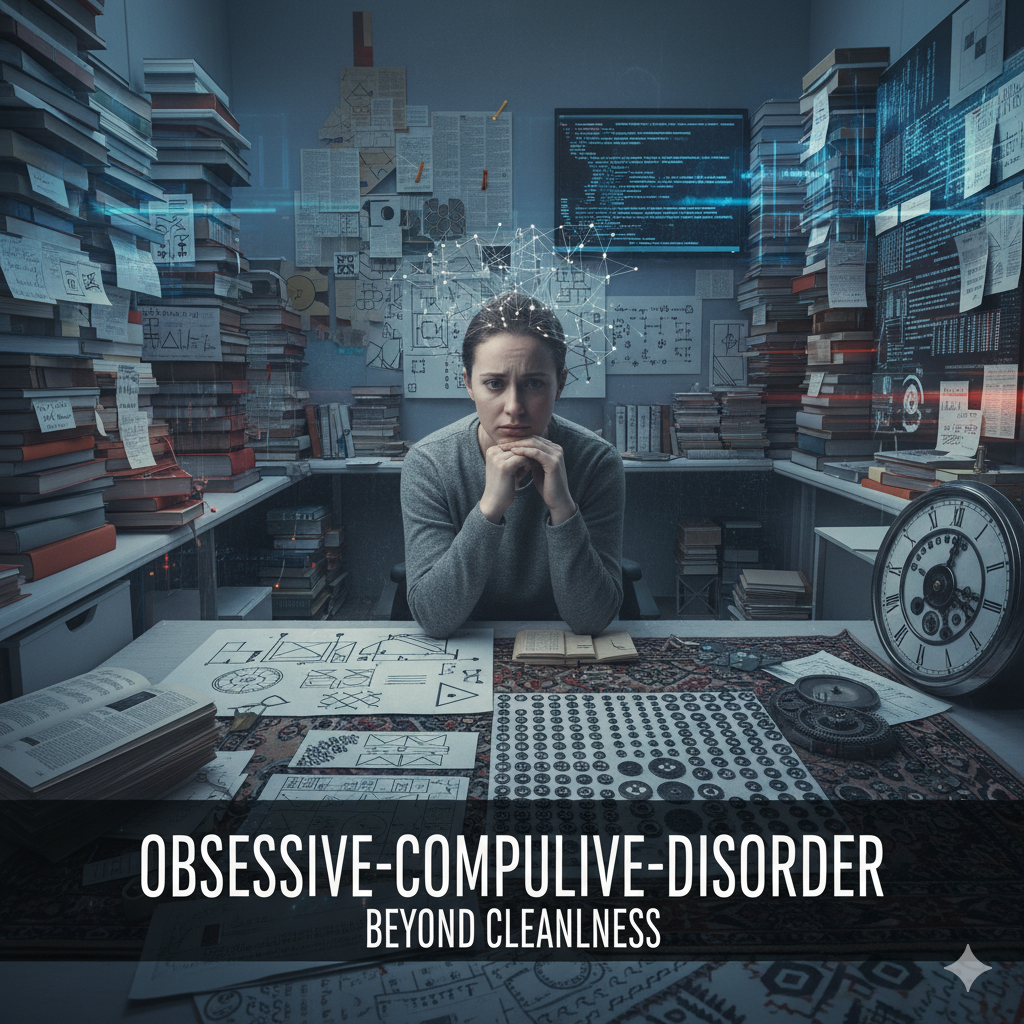
When most people hear the term OCD (Obsessive-Compulsive Disorder), they immediately think of someone who constantly cleans their hands or keeps everything perfectly organized. While cleanliness can be a part of OCD, the reality is much broader and more complex. OCD is a mental health condition that involves a cycle of obsessions (intrusive, unwanted thoughts) and compulsions (repetitive actions or behaviors done to reduce distress). It affects people of all ages and can significantly interfere with daily life if left untreated. What Are Obsessions? Obsessions are intrusive, distressing thoughts, images, or urges that repeatedly enter a person’s mind. Common examples include: What Are Compulsions? Compulsions are the repetitive behaviors or rituals performed to reduce the anxiety caused by obsessions. These might include: OCD Is Not Just About Cleanliness Although cleaning rituals are one form of compulsion, many people with OCD may not clean at all. For example: This shows that OCD can take many shapes, not just cleaning and organizing. Impact on Daily Life OCD can be exhausting. The constant battle with obsessions and compulsions may: How Is OCD Treated? The good news is that OCD is treatable. Some effective approaches include: Breaking the Stigma It’s important to remember that OCD is not just a “quirky habit” or “being too neat.” It’s a real mental health condition that requires understanding and proper care. If you or a loved one struggles with obsessive thoughts or repetitive rituals, reaching out to a psychiatrist or mental health professional is the first step toward recovery.
7 Eye‑Opening Facts to Challenge Mental Health Myths in Indian Society
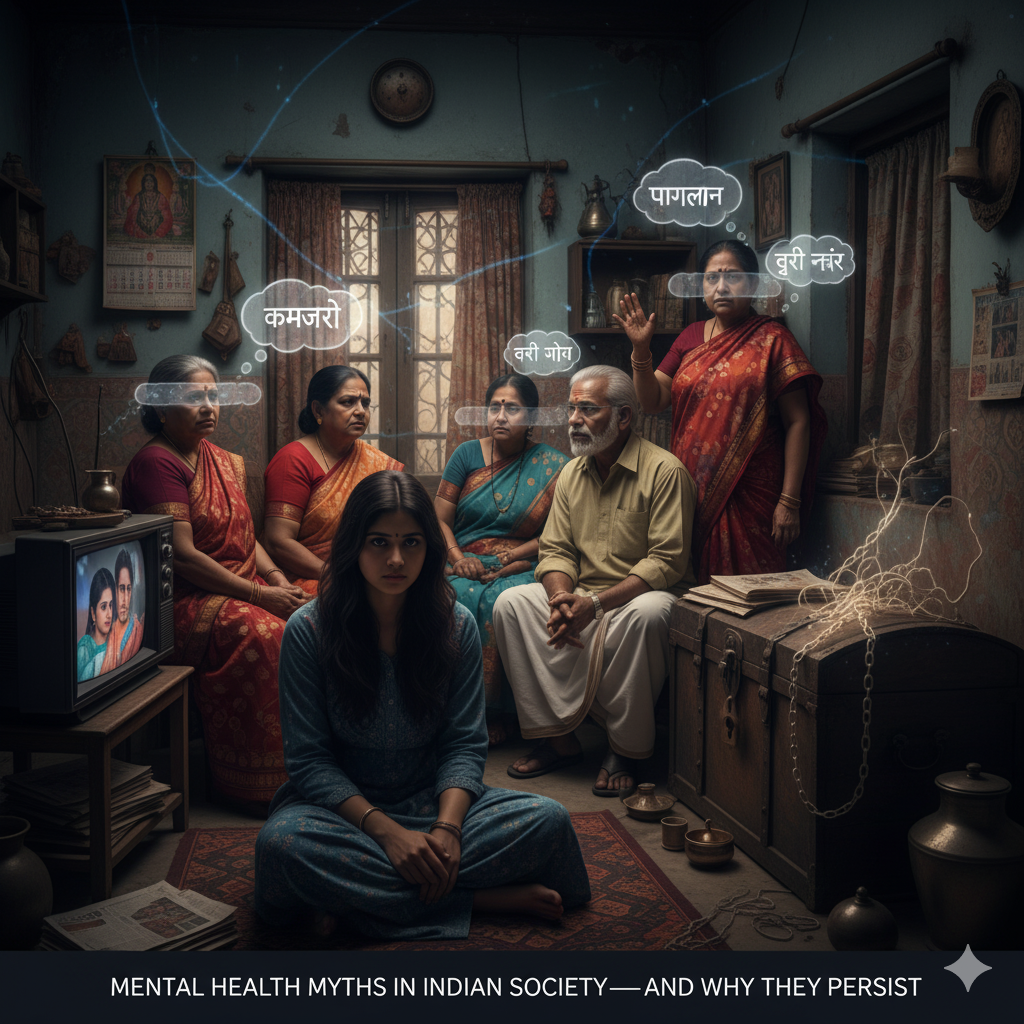
Mental health remains misunderstood across many parts of India. Although awareness is growing, several long-held beliefs continue to shape how people view emotional struggles. These misconceptions often stop individuals from seeking timely help. As a result, stigma becomes even stronger and recovery becomes harder. Understanding these myths is the first step toward building a healthier and more compassionate society. Myth 1: “Mental illness is a sign of weakness” Many still believe that struggling mentally means someone is “weak.” In reality, mental health disorders are medical conditions. They affect the brain, body, and daily functioning—just like any physical illness. Why this myth persists Generations were taught to hide emotions Social pressure to appear strong Limited understanding of mental health Myth 2: “Only extreme cases need therapy” Some people think therapy is required only when things become unmanageable. However, therapy is helpful much earlier. It supports stress management, emotional regulation, relationship issues, and personal growth. Why this myth persists Few mental health professionals, especially in rural areas Media shows therapy only in severe situations Fear of social judgment Myth 3: “Willpower alone can cure mental illness” Many assume that mental health problems can be solved simply by “thinking positive.” Although mindset helps, it is not enough. Conditions like anxiety, depression, OCD, or PTSD require structured treatment. Why this myth persists Habit of invalidating emotions Confusion between sadness and clinical disorders Lack of brain-science awareness Myth 4: “Mental illness is caused by supernatural forces” In several communities, emotional distress is linked to evil spirits, black magic, or bad karma. Therefore, many people choose faith-based solutions before seeking medical care. Why this myth persists Strong traditional beliefs Reliance on spiritual healers Limited access to scientific education Myth 5: “Talking about mental health brings shame” Silence remains one of the biggest barriers. Families avoid discussing these issues because they fear what relatives or society might say. Consequently, people suffer alone rather than seeking help. Why this myth persists Worry about social reputation Cultural pressure to appear “normal” Concerns about marriage prospects Myth 6: “Children and teens cannot have mental health issues” Some parents believe young people are “too young” to face emotional challenges. Yet mental health concerns can appear at any age. Early identification reduces long-term impact. Why this myth persists Lack of awareness of child psychology Misinterpreting symptoms as “phase” or “attention-seeking” Assumption that only adults face real challenges How We Can Break These Myths Fortunately, change is possible. When we talk openly about mental health, misconceptions slowly fade. Schools, workplaces, and families can play a major role in spreading awareness. Additionally, accessible therapy and reliable information help people seek treatment without fear. Final Thoughts Mental health myths have shaped Indian society for generations. Still, with consistent awareness, supportive communities, and science-based information, these myths can gradually disappear. When we replace judgment with understanding, we create a world where people feel safe to ask for help—and to heal.
7 Powerful Sleep Hygiene Habits for Better Mental Wellness

“I feel anxious the moment I wake up.”“Even after 8 hours of sleep, I still feel exhausted.” If you’ve ever felt this way, you’re not alone. Sleep is one of the most powerful—and most overlooked—tools for mental health. We often focus on therapy, medication, or lifestyle changes when managing anxiety, depression, or stress. But without quality sleep, these efforts can fall short. Good mental health starts with good sleep hygiene. Let’s explore how sleep affects your emotional wellbeing—and how you can build habits that support both. What Is Sleep Hygiene? Sleep hygiene refers to the habits, routines, and environment that support deep, restorative sleep. It’s not just about how long you sleep—it’s about how well you sleep. Poor sleep hygiene can disrupt the quality of rest even if you’re spending 8 hours in bed. The Deep Link Between Sleep and Mental Health Mood Regulation: Sleep helps regulate neurotransmitters like serotonin and dopamine. Lack of sleep increases irritability, emotional reactivity, and even hopelessness. Anxiety & Sleep: Anxiety makes it harder to fall asleep—and poor sleep makes anxiety worse. This creates a frustrating cycle of sleeplessness and stress. Depression & Sleep: Insomnia and oversleeping are common symptoms of depression. Improving sleep habits can be an essential part of managing depressive symptoms. Cognitive Function: Sleep deprivation impairs memory, focus, and decision-making—making it harder to cope with everyday stress. Signs Your Sleep Might Be Affecting Your Mood You feel exhausted even after sleeping “enough” You struggle to fall asleep or wake up frequently Your thoughts race at night or you feel tense in bed You rely on caffeine to stay alert during the day You feel emotionally reactive, anxious, or numb You sleep too much but still feel unmotivated If this sounds familiar, your sleep hygiene may need attention. 7 Practical Sleep Hygiene Tips to Boost Mental Wellness 1. Set a Consistent Sleep ScheduleGo to bed and wake up at the same time—even on weekends. A steady rhythm helps regulate your body’s natural clock. 2. Create a Wind-Down RoutineStart winding down 30–60 minutes before sleep: dim the lights, read a book, take a warm shower, or practice slow breathing. 3. Limit Screen Time at NightBlue light from phones and TVs interferes with melatonin production. Try disconnecting from screens at least an hour before bed. 4. Avoid Stimulants in the EveningReduce caffeine, nicotine, and heavy meals after 5–6 PM. These can interfere with your ability to relax at night. 5. Keep Your Bedroom Sleep-FriendlyCool, dark, and quiet rooms promote better rest. Invest in blackout curtains, earplugs, or white noise if needed. 6. Get Daylight and MovementMorning sunlight and physical activity support natural sleep-wake cycles. A walk in the morning can improve sleep at night. 7. Journal or Meditate Before BedIf your mind races at night, write down thoughts or try a guided meditation. This helps shift your brain from “doing” to “resting.” What If I Still Can’t Sleep? If sleep struggles persist for more than a few weeks, it could be a sign of an underlying mental health concern—like anxiety, trauma, or depression. That’s when professional support can help. Therapy and psychiatric care can address root causes and help restore balance. Final Thoughts: Sleep Is Not a Luxury—It’s a Foundation We tend to sacrifice sleep to meet deadlines, scroll through our phones, or just “unwind”—but the cost is often your mental clarity, mood, and emotional resilience. Prioritizing sleep isn’t selfish. It’s self-care at its most fundamental. Need Help Managing Sleep and Mood? Dr. Soumya Dash provides holistic psychiatric care that addresses both the mind and body—including guidance on improving sleep quality as part of mental wellness. 📞 Reach out today to schedule a consultation and take the first step toward better sleep and brighter days.