
7 Proven Ways Couples Therapy Helps with Life Transitions in Bhubaneswar

“We used to be so connected—what happened?” Life transitions—whether joyful, challenging, or unexpected—can shake even the strongest relationships. From career changes and moving cities to becoming parents or facing infertility, these transitions bring emotional stress, changing roles, and uncertainty. In these moments, couples therapy can become a powerful tool—not because your relationship is broken, but because it deserves support. What Counts as a “Major Life Transition”? Any event that significantly changes the way you live, think, or interact can be a life transition. These include: Getting married or moving in together Having a child (or trying to conceive) Experiencing miscarriage or infertility Job loss, career shifts, or financial strain Chronic illness or mental health diagnosis Caring for aging parents Relocating to a new city or country Retirement or empty nest syndrome Even positive changes (like promotions or having a baby) can cause emotional disconnection if not navigated together. Why Do Transitions Challenge Relationships? When life changes, dynamics shift: Communication patterns may break down Expectations may become misaligned Emotional needs may go unmet Stress responses may differ (one partner may shut down, the other may seek closeness) Old wounds or unresolved issues may resurface under pressure What once worked between you may no longer serve your relationship in this new phase. How Couples Therapy Can Help 1. Improves CommunicationTherapy teaches couples to speak honestly and listen without defensiveness. You learn to express needs, fears, and frustrations in healthy ways. 2. Builds Emotional ResilienceA therapist helps both partners explore their individual experiences of the transition—and how to emotionally support one another. 3. Clarifies ExpectationsMisunderstandings often stem from unspoken assumptions. Therapy uncovers those hidden beliefs and re-aligns them. 4. Reconnects IntimacyDuring stressful changes, emotional and physical closeness can fade. Therapy rebuilds connection through vulnerability, empathy, and shared goals. 5. Provides a Safe SpaceTherapy becomes a neutral zone where neither partner feels blamed or judged—only heard and guided. Real-Life Examples After childbirth: One partner feels overwhelmed with new responsibilities, while the other feels emotionally distant. During infertility: One withdraws in grief, the other overcompensates. Neither knows how to bridge the silence. After relocation: Career sacrifices cause resentment, while both struggle to adjust to a new routine. In each case, therapy doesn’t “fix” problems—but helps the couple work together to navigate them with more understanding and less conflict. Is Couples Therapy Right for You? You don’t need to be on the verge of separation to benefit. Consider therapy if: You’ve noticed increased arguments or silence You feel emotionally disconnected You’re struggling to support each other through change You want to strengthen your bond before or during a transition Seeking support is a sign of commitment—not failure. Final Thought: Change Can Strengthen Love Every couple faces storms. It’s not about avoiding the rain—but learning how to hold the umbrella together. If you’re in the midst of a life transition and feel your relationship shifting, know this: therapy can help you reconnect, rediscover, and rebuild—together. Book a Session with Dr. Soumya Dash As a psychiatrist who understands both individual and relationship dynamics, Dr. Dash offers compassionate support to couples navigating stress, change, and emotional distance. 📅 Schedule your appointment today and start the journey toward healing and deeper connection.
7 Eye‑Opening Ways Past Trauma Shapes Anxiety and Emotional Health
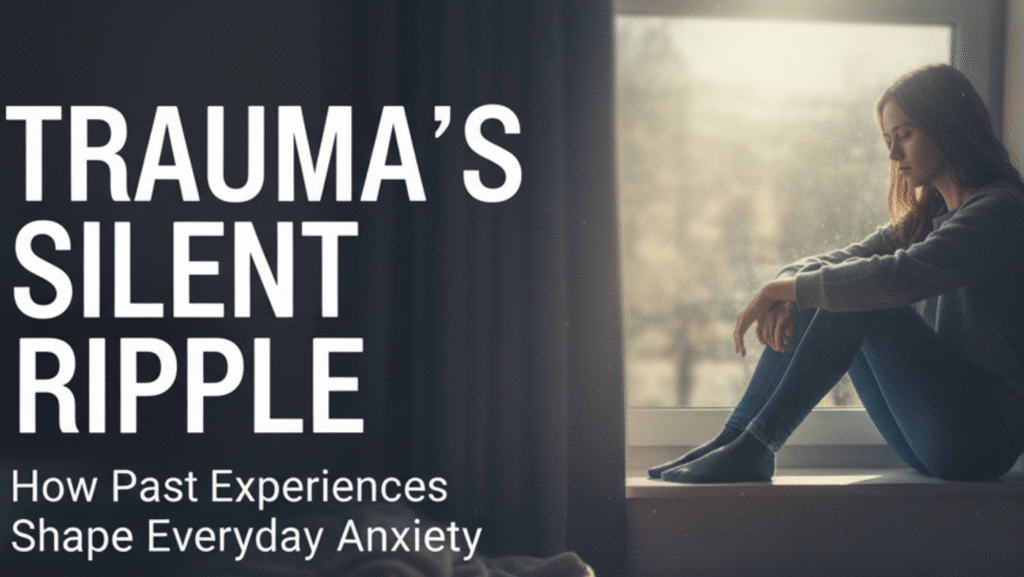
Understanding how past trauma affects anxiety is essential because many people experience unexplained fear, worry, or tension without knowing the deeper cause. Trauma—whether from childhood experiences, emotional wounds, loss, or long-term stress—can quietly influence how we think, react, and feel every day. Have you ever felt anxious… and couldn’t figure out why? Maybe your heart races when the phone rings. Maybe you tense up when someone raises their voice—even if they’re not angry. Or maybe you’re constantly waiting for something to go wrong, even on good days. Often, these reactions aren’t about the present moment.They’re echoes from the past. This is the hidden ripple of trauma. It doesn’t always come in the form of flashbacks or nightmares. Sometimes, it shows up as persistent anxiety that seems to have no clear cause. What Is Trauma—Really? Most people think of trauma as something catastrophic—an accident, assault, or natural disaster. But trauma can also be subtle and cumulative: Growing up in a household where love was conditional Being repeatedly dismissed, criticized, or invalidated Experiencing loss, neglect, or chronic stress over time What’s traumatic for one person may not be for another. Trauma is less about what happened—and more about how it was processed and stored in the body and mind. How Trauma Shapes the Anxious Brain When you go through trauma, your brain activates a survival response: fight, flight, freeze, or fawn. This is normal. It’s your body protecting you. But when trauma isn’t resolved, the brain can stay stuck in that state. The amygdala (your brain’s alarm system) becomes overactive. The hippocampus (your memory center) may misfire, making safe things feel dangerous. The prefrontal cortex (logic and reasoning) may struggle to calm the storm. Result? You feel on edge, overreactive, or emotionally overwhelmed—even in situations that seem small or safe. Signs You’re Experiencing Trauma-Linked Anxiety Anxiety linked to past trauma may not feel dramatic. Instead, it may feel like: Constant overthinking or catastrophizing Avoiding people or situations without knowing why Trouble sleeping or chronic fatigue Difficulty trusting, opening up, or feeling safe Emotional numbness or “shutting down” under stress A deep sense of “something bad is going to happen” You may tell yourself: “I’m just being sensitive”—but these patterns often point to something deeper. Healing the Hidden Wounds The good news? You don’t have to stay stuck in the past. Healing is possible—and it starts with awareness. 1. Acknowledge the ConnectionUnderstanding that your anxiety may stem from trauma can be incredibly freeing. It means you’re not broken. Your brain was just doing its best to protect you. 2. Seek SupportTrauma-informed therapy can help you gently process what happened and build new responses. Therapies like CBT, EMDR, and somatic work are highly effective. 3. Try Grounding ToolsDaily practices like deep breathing, body scans, and journaling can help bring you back to the present moment—where safety and healing begin. 4. Be Patient with YourselfRecovery isn’t linear. Some days will feel easier than others. What matters is consistency and self-compassion. You Are Not Alone Millions live with the ripple effects of trauma without realizing it. If this blog resonates with you, know that you’re not alone—and you’re not overreacting. You deserve peace. You deserve healing.And with the right support, you can move forward. Need Someone to Talk To? Dr. Soumya Dash offers compassionate, trauma-informed psychiatric care tailored to your needs.Book an appointment today to begin your healing journey.
Proven Signs You Need a Neuro Expert
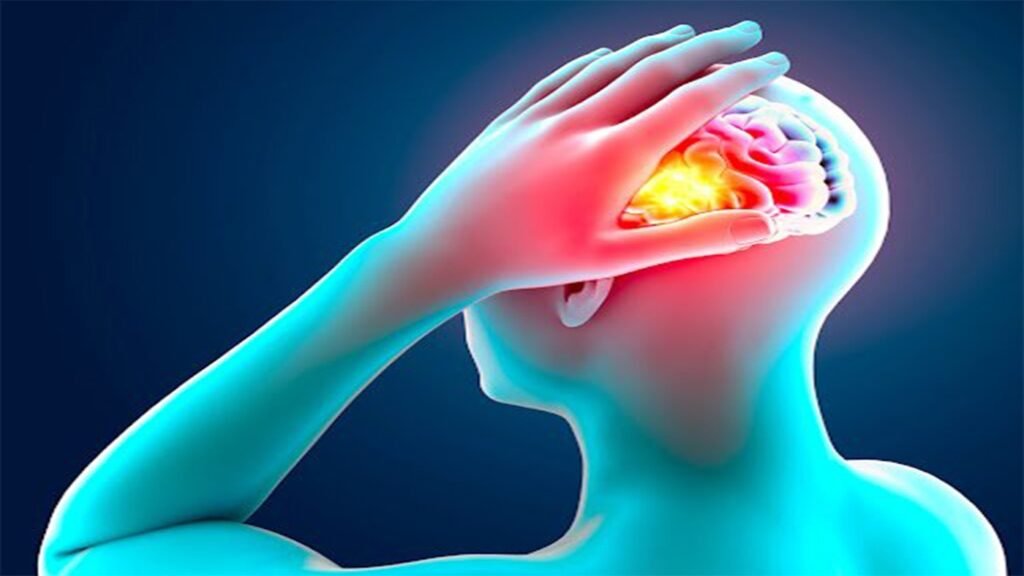
Research says that 69 million people (95% CI 64-74 million) experience a traumatic brain injury yearly.
Proven Signs You Need a Mental Expert

A mental disorder is an illness that affects your whole life, thinking, feeling, mood, and behavior….