
Obsessive-Compulsive Disorder: Beyond Cleanliness
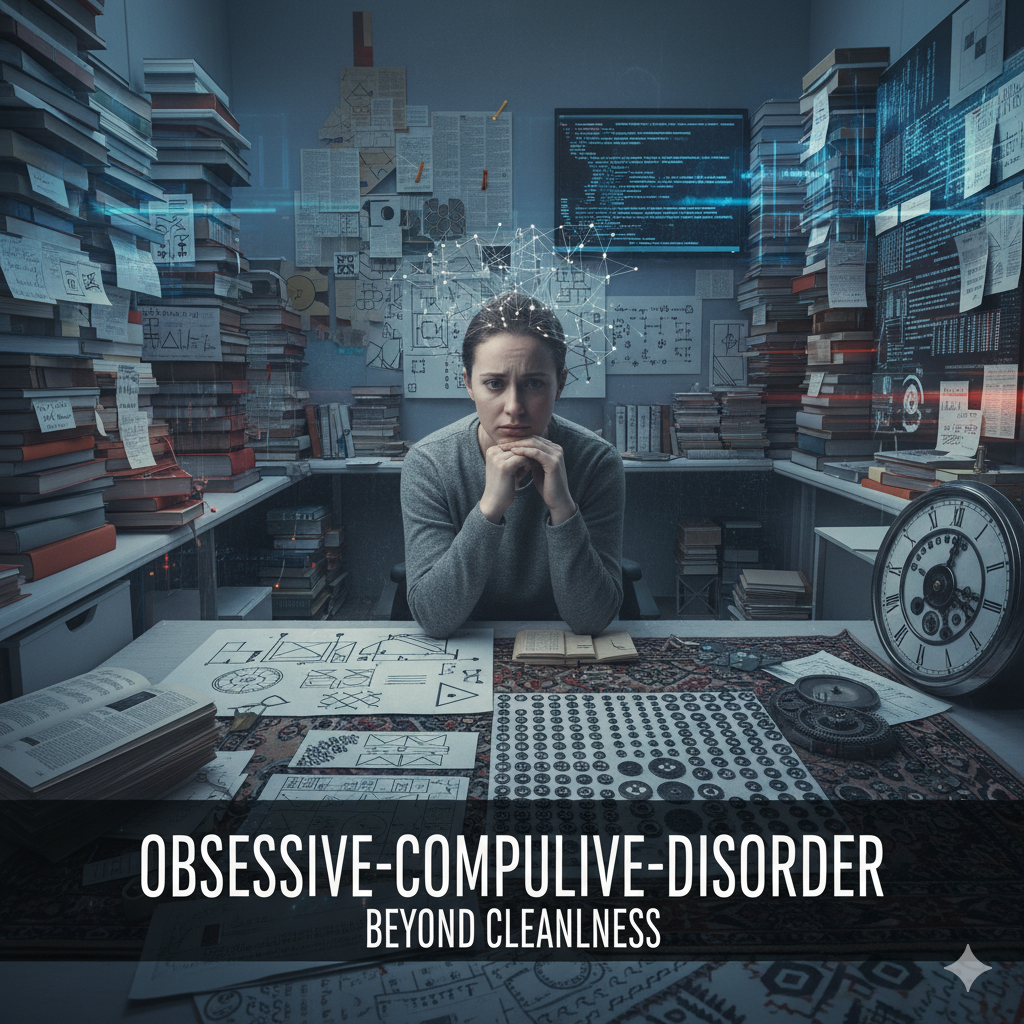
When most people hear the term OCD (Obsessive-Compulsive Disorder), they immediately think of someone who constantly cleans their hands or keeps everything perfectly organized. While cleanliness can be a part of OCD, the reality is much broader and more complex. OCD is a mental health condition that involves a cycle of obsessions (intrusive, unwanted thoughts) and compulsions (repetitive actions or behaviors done to reduce distress). It affects people of all ages and can significantly interfere with daily life if left untreated. What Are Obsessions? Obsessions are intrusive, distressing thoughts, images, or urges that repeatedly enter a person’s mind. Common examples include: What Are Compulsions? Compulsions are the repetitive behaviors or rituals performed to reduce the anxiety caused by obsessions. These might include: OCD Is Not Just About Cleanliness Although cleaning rituals are one form of compulsion, many people with OCD may not clean at all. For example: This shows that OCD can take many shapes, not just cleaning and organizing. Impact on Daily Life OCD can be exhausting. The constant battle with obsessions and compulsions may: How Is OCD Treated? The good news is that OCD is treatable. Some effective approaches include: Breaking the Stigma It’s important to remember that OCD is not just a “quirky habit” or “being too neat.” It’s a real mental health condition that requires understanding and proper care. If you or a loved one struggles with obsessive thoughts or repetitive rituals, reaching out to a psychiatrist or mental health professional is the first step toward recovery.