Depression Doesn’t Always Look Sad: Hidden Symptoms You Should Know
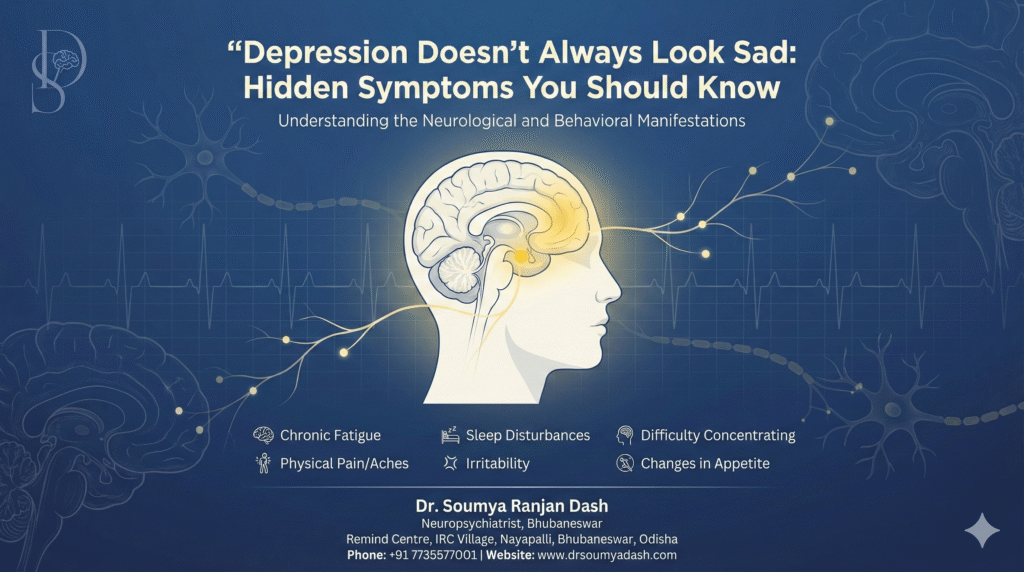
When most people hear the word depression, they imagine a person who is crying, isolated, or visibly sad.But in reality, depression often hides behind normal-looking behaviour. Many individuals continue working, smiling, and interacting socially — while struggling silently inside. This is known as “high-functioning depression” or “masked depression.”Understanding these hidden symptoms is crucial because untreated depression can worsen over time and affect physical, emotional, and social well-being. 1. Constant Fatigue That Doesn’t Improve With Rest Fatigue is one of the most overlooked signs of depression.Even after sleeping enough hours, a person may feel: Zero energy Heaviness in the body Difficulty getting out of bed Exhaustion after small tasks This happens because depression disrupts brain chemicals that regulate energy levels. 2. Losing Interest in Things You Once Enjoyed A clinical symptom called anhedonia — the inability to feel pleasure.Patients often say: “I don’t feel like meeting anyone.” “My hobbies don’t excite me anymore.” “Even good news doesn’t make me happy.” This is a strong clinical indicator of depression, even when the person looks fine externally. 3. Unexplained Body Pain Depression affects the mind and body.It can cause: Headaches Back or neck pain Muscle stiffness Digestive discomfort When routine tests show nothing abnormal, but symptoms persist, depression may be the underlying reason. 4. Irritability and Anger Instead of Sadness Not everyone shows sadness.Some individuals exhibit: Sudden anger Short temper Impatience Restlessness In many adults and teenagers, irritability is the primary sign of depression. 5. Trouble Concentrating Depression can interfere with cognitive functions such as: Memory Focus Decision-making Problem-solving People may feel mentally “foggy” or slow, which affects work and daily life. 6. Changes in Appetite or Weight Both overeating and loss of appetite can be symptoms.Patients may notice: Weight gain due to emotional eating Weight loss from lack of interest in food These changes often occur gradually and may be misinterpreted as lifestyle issues. 7. Sleep Disturbances Depression can show up as: Insomnia (difficulty sleeping) Early-morning awakening Oversleeping Sleep and mood are deeply connected — when sleep is affected without an obvious reason, depression should be considered. 8. Feeling Emotionally “Numb” Instead of sadness, some people experience: Emotional flatness Lack of excitement A feeling of emptiness Reduced emotional response This numbness is a classic hidden symptom. Why These Symptoms Are Often Missed Because many patients continue to function normally — going to work, caring for family, participating in daily routines — their depression remains undetected. Family members may say: “But you look normal.” “You seem fine outside.” This mismatch between appearance and internal struggle makes diagnosis difficult. When Should You Seek Help? You should seek psychiatric consultation if: These symptoms persist for more than two weeks They interfere with work, sleep, or relationships You feel overwhelmed, exhausted, or disconnected from yourself Early evaluation helps prevent worsening symptoms and improves long-term outcomes. Consult an Expert in Bhubaneswar Dr. Soumya Ranjan DashRenowned Neuropsychiatrist, BhubaneswarRemind Centre, IRC Village, Nayapalli, Bhubaneswar, Odisha📞 +91 7735577001🌐 www.drsoumyadash.com Dr. Dash specializes in diagnosing and treating depression, anxiety, and other mental health conditions with a scientific, compassionate approach.
OCD Explained: Breaking the Myths Around Obsessive-Compulsive Disorder
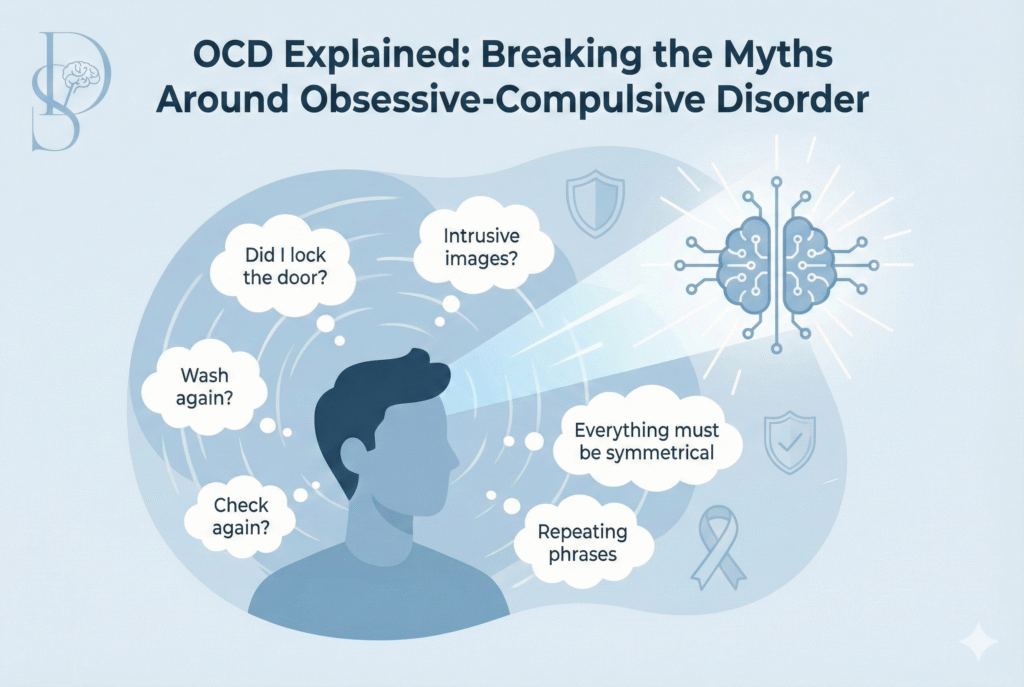
Many people casually say, “I’m so OCD about cleanliness!” — but true Obsessive-Compulsive Disorder (OCD) is far more complex.It’s not just about being neat or organized; it’s a serious mental health condition that can significantly impact daily life. At Dr. Soumya Ranjan Dash’s clinic in Bhubaneswar, patients receive compassionate and scientifically proven care for OCD and related anxiety disorders. This blog helps you understand what OCD really is — and what it isn’t. What Is OCD? Obsessive-Compulsive Disorder (OCD) is a mental health condition marked by unwanted, intrusive thoughts (obsessions) and repetitive behaviors (compulsions). People with OCD feel compelled to perform certain rituals to reduce anxiety caused by their thoughts. For example, repeatedly checking locks or washing hands even when they know it’s unnecessary. These behaviors can take up hours each day, interfere with work, relationships, and overall quality of life. Common Symptoms of OCD OCD symptoms usually appear in two parts — obsessions and compulsions. Common Obsessions: Fear of contamination by germs or dirt Intense need for order or symmetry Intrusive thoughts about harm or violence Doubts about having done something right (like locking the door) Fear of losing control over one’s actions Common Compulsions: Excessive cleaning or hand washing Repeated checking (lights, locks, appliances) Counting, tapping, or repeating words silently Organizing items in a “perfect” or specific way Seeking reassurance repeatedly If these behaviors or thoughts disrupt your routine or cause distress, it’s time to seek OCD Treatment in Bhubaneswar from a mental health specialist. Common Myths About OCD — and the Truth Let’s debunk some popular myths that create confusion and stigma around OCD: ❌ Myth ✅ Reality OCD is just about cleanliness. OCD involves a wide range of obsessions and compulsions, not just hygiene. People with OCD can easily control their thoughts. OCD thoughts are intrusive and uncontrollable without professional help. OCD is rare. OCD affects millions worldwide — it’s a common and treatable condition. Only adults get OCD. OCD can begin in childhood, adolescence, or adulthood. Medication is the only solution. Therapy, especially CBT, is highly effective — sometimes combined with medication. Breaking these myths is the first step toward understanding and supporting those living with OCD. Effective OCD Treatment in Bhubaneswar Dr. Soumya Ranjan Dash offers comprehensive treatment plans that address both the symptoms and the underlying causes of OCD. His approach focuses on long-term recovery and emotional stability. 1. Cognitive Behavioral Therapy (CBT) CBT helps patients identify negative thinking patterns and change their behavioral responses.A specialized form of CBT called Exposure and Response Prevention (ERP) is particularly effective for OCD. 2. Medication Certain antidepressants (SSRIs) may be prescribed to balance brain chemicals linked to obsessive thinking and anxiety.Medication is always customized based on each patient’s needs and medical history. 3. Lifestyle Support & Mindfulness Practicing mindfulness, deep breathing, yoga, and meditation can help reduce stress and obsessive thoughts over time. When to See a Psychiatrist You should seek professional help if: You spend more than an hour daily on repetitive thoughts or behaviors. Your rituals or compulsions interfere with work, studies, or relationships. You feel anxious, frustrated, or ashamed about your thoughts. Ignoring symptoms can worsen the condition. Early OCD Treatment in Bhubaneswar can help you regain control and live freely again. Why Choose Dr. Soumya Ranjan Dash? Dr. Soumya Ranjan Dash, a leading psychiatrist in Bhubaneswar, specializes in the diagnosis and treatment of OCD, anxiety disorders, depression, and personality disorders. He combines advanced psychiatric techniques with compassionate counseling — ensuring every patient receives personalized, confidential, and effective care. Contact Details Clinic: Dr. Soumya Ranjan Dash – Psychiatrist in BhubaneswarLocation: SUM Hospital, Bhubaneswar, OdishaPhone: +91 9568830001